You have to write whichever book it is that wants to be written. And then, if it’s going to be too difficult for grownups, you write it for children.
Featured Blogger Friday: Sheryl Gwyther
Today I start a new weekly feature here on my blog (drum roll please).
It’s time for:
Featured Blogger Friday
Every Friday I’ll be inviting a blogger to drop in here for a visit and to tell you all about his or her blog. Of course, I will be focussing on blogs which relate to children’s books or writing for children in some way.
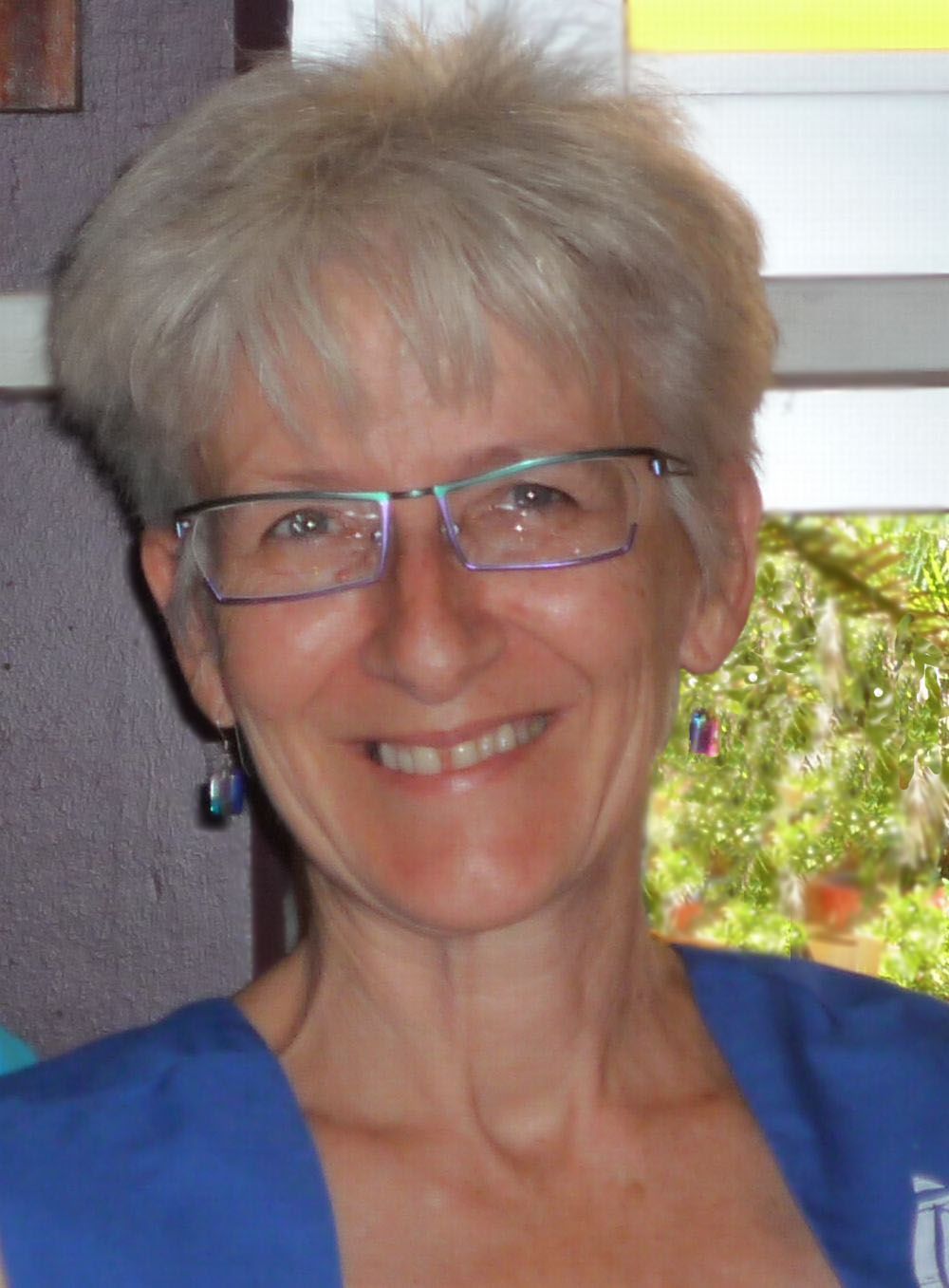 So, it gives me great pleasure to welcome today my first Feature Blogger, Sheryl Gwyther. You can check out her blog here, but first, let’s find out a bit about her and her blog. Welcome Sheryl.
What do you blog about?
No surprise, most of my blogging is about the writing life. But, because I love to write, I also cannot help blogging about other things that grab my fancy – like travel and people and places. Occasionally, my blogs get a bit radical too! (When I get angry enough about something – like racism and xenophobic morons.)
But I have noticed one strange thing about blogging – I might start off with a topic in mind, but within the first sentence another topic forms and it’s even better. So my advice is … trust your instincts.
Who is your target readership?
Have to admit I don’t have a target in mind. I just write and hopefully someone will get something out of what I produce. I suspect it is mostly other writers and readers who click on my blog at the moment.
How often do you blog?
I blog when I have something to say. At one stage, when we were fighting the lifting of restrictions against Parallel Importation of books, I blogged once every couple of days. But now, with a work-in-progress hanging over me like the sword of Damascus, I have to work at keeping up my blog. I also have another blog with a different focus: http://sherylgwytherauthor.blogspot.com/
How much time do you devote to blogging?
A morning can disappear very easily when blogging. But it sure is fun doing it!
Do you have a favourite blog post?
Probably the one about what authors need by the bucketful! ‘PERSEVERANCE IS THE WORD’ It was popular with readers too. But the one with the highest hits was ‘840 kittens – resurrected’ (about the RSPCA) – must have been the mention of kittens.
What do you see as the benefits of blogging?
I love writing! So it’s a pleasure when people read and respond to my blog articles. Also it lets people know when I have a new book coming out, or I’ve been awarded something (like an Australian Society of Authors Mentorship). Blogging allows an author to spread her/his ‘platform’ further than ever before – could you have imagined 10 years ago, a reader in the UK reading your words and commenting instantly?
What blogging platform do you use and why?
WordPress.com is fantastic. It’s so versatile and easy to use. It has the benefit of providing separate PAGES, so can be used a website if you want. Best thing is it’s FREE. You can pay more for the .org version with lots more attributes. WordPress also has an excellent SUPPORT link and forums. http://wordpress.com./
Do you have a favourite blog to visit (other than your own)?
Dee White’s blog is always good value! And must mention, Sherryl Clark’s blog too. I’ve learnt a lot about writing from Sherryl over the years And I can’t go past author and social commentator, Dr Karen Brooks (she’s brilliant)
Lastly, when you are not blogging, what else do you do?
Haha, the trick question, eh? WRITING, of course! Or researching, or plotting, or reading the books of other authors. Notice I didn’t mention the weeds in the garden and the breakfast dishes still in the sink.
Thanks for stopping by, Sheryl.
I’ll have another featured blogger next Friday, so drop by and see who my next victim – errrr, visitor – is.
Reasons Not to Write: Number 2
No one will publish me.
I hear this one pretty often, too. “I’d like to be a writer,” someone will tell me. “But I don’t know any publishers.”
Neither did I before I got published – but I do now.
You don’t have to know any publishers to get published. What you do need to know is how to read. If you are reading regularly you will know the names of the publishers who publish the kinds of books you like to read. And if you like reading them, then they’re the kinds of things you should be trying to write.
Once you have written something worth sending, you can research your publishers online and find out their submission guidelines before submitting your masterpiece to them
However, that’s all a bit chicken-and-egg to me. If you haven’t written anything yet, why are you worrying about who will publish it? Start writing. Refine your skills. Get involved in a critique group or find some other way to get some feedback. Write some more. Then, when your work is really ready to start submitting, work out who to send it to.
Yes, getting published is hard, and chances are, when you start submitting your writing , you will get rejected. But better to be rejected than to never submit at all. And no one will publish you if you don’t submit to them
So, what are you waiting for? You want to be a writer – write.

My first ever trade title, Doggy Duo, had a difficult life. After the excitement of acceptance, editing and finally seeing it released, and launched, came the reality that the small publisher who had produced it had some distribution problems. Six months later, the publisher went into receivership. Eventually, after another owner took over and eventually also went into receivership, I was offered the chance to buy the remaindered stock, which was the majority of the print run.
I could only afford to buy a small portion of that stock, which I did. It’s good to be able to have copies of an older title to sell at school visits and so on. However, now that I have several newer trade titles I’ve decided it’s time to sell those copies of Doggy Duo.
So, last night I bit the bullet and listed some signed copies for sale on ebay at the discount price of $5 each (you can see the listing here). I don’t know if it’s an effective way of clearing old stock, but it didn’t take long to get a listing happening, and I do know that lots of kids love having books that are signed by the author. And it would be nice to think that my book baby is being read rather than gathering dust in my wardrobe.
I’ll let you know how it goes.
I’m excited to welcome Catriona Hoy to my blog today. Cat is here as part of her first ever blog tour, to celebrate the release of her new picture book Puggle.

Welcome Catriona. It’s great to have you here on your very first blog tour. Because I have reviewed several of your books, including Puggle, I thought it might be interesting to chat with you about the review process from the author’s perspective. So, here goes.
1. Can you share with readers how your books get reviewed ?
When my first book came out, I sat down with the publicity person and was given a list of do’s and don’ts. I’ve broken most of them now! I was also given a list of people/agencies that copies of books were regularly sent out to. I guess every publicist has their own list. Often it’s a surprise when a book gets reviewed but I do a have a google alert on my name which tells me if something new has cropped up…or if people have reserved my books in libraries!
Friends will often tell me if they have read a review. That networking is all important. Also the publisher will send out copies of reviews in mainstream media or links to reviews.
Thankyou by the way for your review of Puggle! To illustrate the point, I found out through self googling! But the next day it came up on my email google alert anyway.
2. Why are reviews important to you, and to your books?
There are so many books out there that book shops can be confusing places. A review will put the idea is someone’s mind and hopefully stay with them. It’s also nice to have your work acknowledged and feel that the job has been done well.
Reviews mean that people are actually out there reading your books. And it would be a sad thing to have put in all that time and effort into them for them to languish in some dark storage warehouse.
3. What is your best review experience?
The good thing about being reviewed is that it gives me the opportunity to stand back from my work and see it evaluated through other eyes. We get so close to things that we have written sometimes that it’s hard to see the wood for the trees.
I often learn things about my writing that I didn’t know or hadn’t conceptualised. Sometimes it’s a pleasant surprise, other times it can be something that I can learn and grow from.
Of course I like all your reviews Sally!
4. What is your worst review experience?
There are probably two that stick in mind. ‘My Grandad Marches on Anzac Day’ has been very popular and even now, I still get some touching emails from people who have read it. To me it was very real, in fact I used my husband’s own words in the book when the Dad says ‘well done boys’ as they march past. I was a little flabbergasted when one reviewer called this ‘patronising’. My husband certainly didn’t mean to be patronising when he was watching his father march in the parade!
The other was more recent when someone pointed out a flaw in one of my books and implied that it would have been better if she had edited it. Which I found a little inappropriate.
5. What do you do with the reviews of your books?
If the links are on line, I will often post the links on my website, so that people can read these. Increasingly I’m finding reviews posted on people’s blogs which is nice to find. I usually post a thankyou on their blog to let them know I’ve read it and appreciate the thoughts.
For other reviews, I have a big cardboard box under my desk, where lots of clippings go. Maybe I’ll put them in a scrapbook one day when I stop working. I’m curious, what do you do with yours?
Sally says: Like you, I link to the online ones, and print them too. I keep hard copies of reviews along with any other press in two lever arch files. Each cutting is in a separate plastic sleeve.
6. What advice would you give to someone who is about to be reviewed for the first time?
Don’t take it personally! Celebrate with your friends if it’s good; share it with the world. If it’s not quite what you had hoped, let off steam in a trusted environment if you must. Be very careful what you say however, as the writing world is a very small place. Accept that not everyone will like your book.
7. Can you share any links to reviews of Puggle, or your other books, online?
Well Sally, you have reviewed all my books so far! So I’d encourage everyone to go to your aussiereviews website. I honestly don’t know how you find the time to review, write, teach , be a mother! You are amazing! other online reviews include:
Mummies Are Amazing
Daddies
I like this review of My Grandad Marches on Anzac Day because it was written by someone young.
Here is an example of a blog review for Puggle. I liked this one because it highlighted the educational aspect of the book.
Thanks for dropping in Catriona. You can follow the rest of Catriona’s tour at the following blogs:
April 12 http://scribblygum.wordpress.com/
April 13 http://deescribewriting.wordpress.com/
April 14 http://sallymurphy.blogspot.com/
April 15 http://www.letshavewords.blogspot.com/
April 16 http://orangedale.livejournal.com/
April 17 http://sherylgwyther.wordpress.com/
April 18 http://sandyfussell.blogspot.com/
April 19 http://katswhiskers.wordpress.com/
April 20 http://belka37.blogspot.com/
April 21 http://angelasunde.blogspot.com/
April 22 http://trudietrewin.com/blog-ramblings/
and you can buy Puggle online from Fishpond, or in any good book store.
Why Go on a Blog Tour, Part 3
Over the past two days I’ve been talking about the benefits of blog touring to promote your books. If you’ve been following along, you may be starting to feel inspired to organise a tour of your own, so today I’m going to give some pointers as to how to organise a tour.
So, you’ve got a book to promote – that’s great! The first thing to do when you’re planning a tour is to plane when you’d like to have it. If you want to get a new book off to a flying start, you might decide to do it in the first few weeks after it is released, but if you have a lot of other promotion happening then, you might decide to wait until you have more time. or, if your book is seasonal or topical you might tour it at a time when people are thinking about that season (a Christmas book touring in December, or an ANZAC Day book touring in April, for example).
Once you’ve decided on some dates, you need to find some bloggers to host you. You can either approach bloggers you already know, or contact bloggers who cover appropriate topics. Lots of Kidlit blogs, for example, are keen to host children’s authors. Have a look at the blogs and see if they run author interviews before you make contact.
Once you’ve identified some potential blog hosts, contact the bloggers to see if they are interested. Be clear in what you want to do – and what you are hoping they will do. Remember they are doing you a huge favour, in helping you promote your book, but there are benefits to them including you sending them new traffic (by promoting the tour) and of course you providing them fresh content for their blog. A polite email explain when you are going on tour, a bit about your book, and asking if they would be interested in hosting you is the best approach.
Once people have agreed to host you, discuss with them what form your visit might take – an interview, a guest blog, a review or something different. Then make sure the host has all the information they’ll need – a summary of the book (or a copy, where possible), a jpeg of the cover image, a photo of you, and links to your website and/or blog and to online bookstores which stock your book. It is also a great idea to give every host a full list of the dates and stops of your tour, so they can include this in their post.
When the blogger sets a topic, or sends you a list of questions, try to answer them promptly, so they can get the blog post ready and scheduled to go live on the correct day. If you haven’t received their questions in the week leading up to the tour, a polite reminder might be needed (again, remember they are doing you the favour).
Once you’ve ensured all of your hosts have all the content they need, the last (but perhaps most important) thing to do is to promote the tour. Social networking is a great way to get the word out. Each day of the tour, post a link to your blog host on twitter, Facebook and any other sites you use, as well as on your own blog and any email lists (remembering to follow list protocol). And, of course, be sure to visit the blogs that host you and read and respond to any comments left.
Oh, and the very last thing to do is to be sure to thank your blog hosts for having you.
Hopefully this three part series has inspired you to organise your own blog tour. If you are a children’s book author looking for a blog to visit, you might like to contact me when you’re organising your tour – I love having visitors. And, if you are an Australian author looking to get involved both in hosting tours and in touring yourself you might be interested in the yahoo group Aussieblogtours.
- « Previous Page
- 1
- …
- 22
- 23
- 24
- 25
- 26
- …
- 63
- Next Page »