August was bookmonth and so my reading time was more limited – but I still managed to get through eleven books. This is what I read:
Books for Children
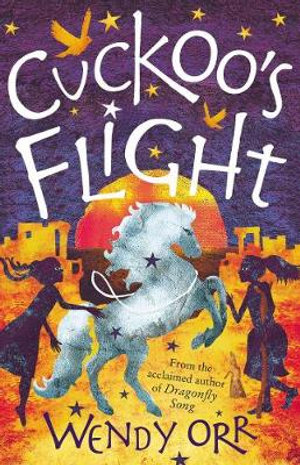 Cuckoo’s Flight, by Wendy Orr (Allen & Unwin, 2021). A wonderful complement to Orr’s two previous books set in the Bronze Age. Although each stands alone, I have enjoyed reading all three over the past few months and being immersed into the time period and into Orr’s beautiful writing.
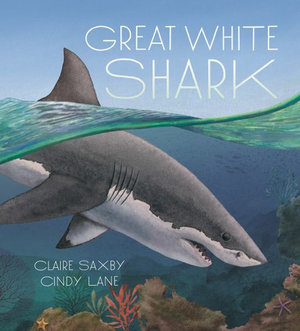 Great White Shark, by Claire Saxby & Cindy Lane (Walker Books 2021). I have been waiting for this picture book to come out for what seems forever. Written by by amazing friend Claire, one of Australia’s best writers of creative nonfiction of children (as well as other forms) and illustrated by another amazing friend Cindy, who is a debut illustrator but established artist, this book is as amazing as I expected. How’s that for an unbiased review? Okay, maybe a tiny bit biased, but heartfelt.
-
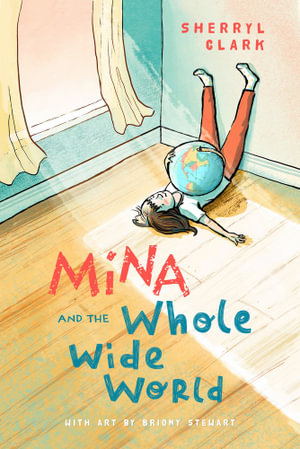 Mina and the Whole Wide World, by Sherryl Clark, with art by Briony Stewart (UQP, 2021). Always love a verse novel, and when it’s written by Sherryl Clark I know it will be brilliant. This is a gentle story about belonging, friendship and family. the illustrations are gorgeous, too.
  Are You There, Buddha? by Pip Harry (Lothian, 2021) . Another verse novel, this time for a middle grade readership and exploring issues really important for this age group, including first periods, peer pressure, self identity and family. That sounds a lot, but it’s woven together in a lovely story.
 Leilong the Library Bus, by Julia Liu & Bei Lynn (Gecko Press, 2021). gecko press always produced quirky books that make me smile. This one is no exception – about a dinosaur who desperately wants to go to the library with his human friends, but is just too big to go inside. It takes a manager changing their perspective to find a solution – Leilong becomes a library bus!
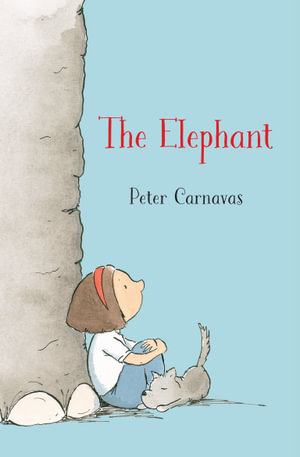 The Elephant, by Peter Carnavas (UQP, 2017). This is one I’ve been meaning to read ever since it came out, and I finally got my hands on a copy this month, and read it in one sitting. Carnavas has a gentle and quirky way of both writing and illustrating, that means he handles some difficult topics really well, and in this, his first novel, he deals with grief and depression in a way accessible to children, and adults too. Lovely.
 Exit Through the Gift Shop, by Maryam Master, illustrated by Astrid Hicks (Pan, 2021). I loved this one. It deals with a really difficult topic – the narrator, Anahita, his dying of cancer – with a wonderful blend of humour and realism. Not an easy subject to deal with in a palatable way, but I think Master nails it.
Books for Young Adults
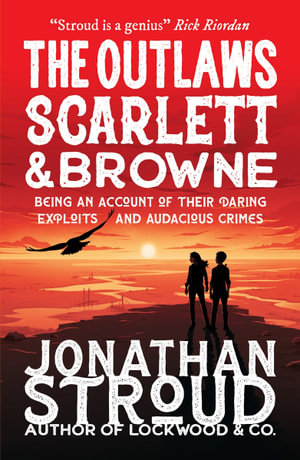 The Outlaws Scarlett & Browne (Walker Books, 2021). It took me a little while to get into this one, but that may have bene the busy week I was having. Set in a post apocalyptic future Britain, where lawlessness reigns, and nobody is safe from wild beasts, gangs and damaged people. Scarlett and Browne are an unlikely pair who travel across the country robbing banks and avoiding abduction, gradually finding they can rely on each other to escape almost every situation.
Books for Adults
 Find Us, by Benjamin Stevenson (Audible, 2020). This was an Audible original and a free download. As I’ve said in previous posts, I quite like the free extras that Audible offers, which exposes me to authors and genres I might not otherwise read. This is a psychological thriller, and a wee bit disturbing – but in a way that was well put together and had twists and turns that kept me guessing.
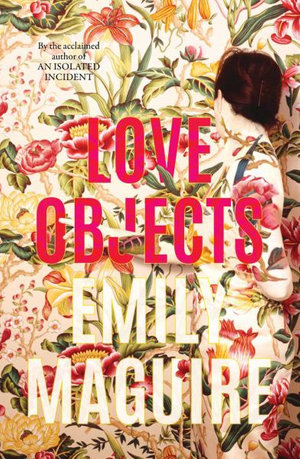 Love Objects, by Emily Maguire (Allen & Unwin, 2021). A complex, engaging story of family. Nic is a trivia-buff, cat-loving hoarder. Her niece Lena is her closest friend, but is struggling with issues of her own, including the fall out from a terrible betrayal by a rich boy classmate. When Nic is injured, their relationship is challenged and the family’s past troubles resurface. I really enjoyed the way Maguire balances some difficult topics with endearing characters.
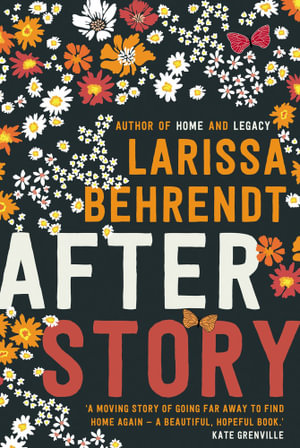 After Story, by Larissa Behrendt (UQP, 2021). This is the beautiful story of a mother and daughter travelling together and, though it isn’t planned that way, healing some of their old wounds. Della has never recovered from the abduction of one of her children. More recently, her partner has died. Her youngest daughter Jasmine takes her along on a trip to England to visit places connected with stories Della has never read, by authors she hasn’t heard of. Gradually, though, these places help her confront the past and find a path forward.
 The Midnight Library, by Matt Haig (Audible, 2020). I listened to this one on Audible – the free Member’s Extra download this month. The story of Nora who, lonely, unemployed and seemingly without hope, decides to take her own life. She finds herself between life and death in a library where she confronts her regrets and has an opportunity to sample other versions of her life. If she finds the perfect one, she is promised, she will be able to live out that life. An interesting take on a potentially grim topic.
- Playing With the Grown-Ups, by Sophie Dahl (Bloomsbury, 2007). I picked this one up on a charity table outside by local Coles and read it in a couple of days. It’s the story of teenager Kitty whose life is dominated by the whims of her artistic, but irresponsible, mother, who moves between rural England, America, and London, taking Kitty and her younger siblings along for the ride, and forcing Kitty to grow up much faster than she might like.
That brings my total for the year to 108 books, so far. What have you been reading?
 Swallow’s Dance
 Everywhere Blue
 The Treehouse Joke Book 2
 Mel and Shell
 Bella and the Voyaging House
 The Twilight Ghost
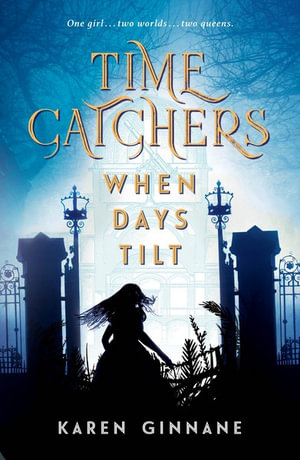 When Days Tilt
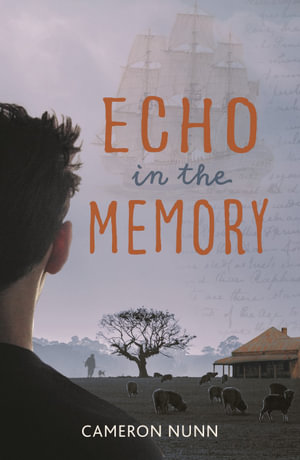 Echo in the Memory
 Her Last Holiday
 Locust Summer
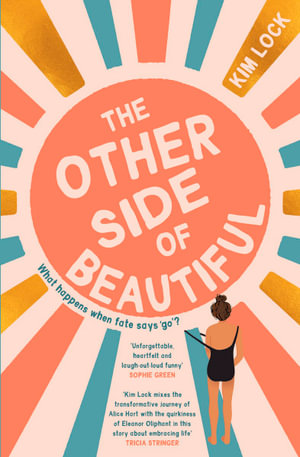 The Other Side of Beautiful